Coffee Culture 4 min read
Coffee Rituals Around the World
From the espresso bar to the Ethiopian coffee ceremony, every culture has its own way of sharing coffee — and its own graceful way of ending it. A short tour.
Coffee is one drink with countless manners. Ask people how they take it and you learn how they spend their time: standing or seated, alone or together, in a hurry or not at all. The drink is much the same almost everywhere. What happens around it is not.
What follows is not an encyclopaedia, just a few of the rituals we find ourselves thinking about — and a pattern we noticed along the way.
Italy: a pause at the counter
In much of Italy, an espresso is taken standing at the bar, al banco, exchanged with a few words to the barista and finished in a handful of sips. It is punctuation rather than a paragraph: a short, bright stop in the middle of the morning or after lunch.
The rules are unwritten but well known. Milky coffees belong to the morning; order a cappuccino after a long lunch and you may be gently identified as a visitor. The ritual is brief, but it is never careless.
Ethiopia: coffee as welcome
In Ethiopia, where coffee’s story is often said to begin, the coffee ceremony is an act of hospitality rather than a drink. Green beans are roasted in a pan in front of the guests, and the fragrant smoke is wafted toward them as a greeting. The beans are ground and brewed in a clay pot called a jebena, then poured from a height into small cups.
Coffee is served in several rounds, and staying for them is part of the courtesy. Nobody is in a hurry. The ceremony is less about caffeine than about the time spent together while it happens.
In the oldest coffee rituals, the drink was never the point. The company was.
Türkiye: reading what remains
Turkish coffee is simmered from very finely ground beans in a small long-handled pot, the cezve, and served unfiltered. The grounds settle to the bottom of the cup, so it is sipped slowly, often alongside a glass of water and something sweet.
Then comes one of the loveliest endings in the coffee world. When the cup is finished, some people turn it upside down onto its saucer, let it cool, and read the patterns left by the grounds. The end of the drink becomes the beginning of a conversation — about the future, about each other, about nothing in particular.

The Arab world: the art of enough
In the Gulf and across much of the Arab world, qahwa — Arabic coffee, often lightly roasted and scented with cardamom — is poured from a long-spouted pot into small cups without handles, commonly served with dates. It is a gesture of generosity, and the host will keep refilling your cup.
The ritual includes its own graceful exit. When you have had enough, a gentle shake of the cup tells the host so, without a word. Few traditions have designed their ending so elegantly.
Sweden: fika
In Sweden, fika is less a drink than a verb: a pause for coffee and something sweet, very often a cinnamon bun, taken with colleagues or friends. It is protected time, and it is shared. You do not really have fika alone at your desk.
What fika understands is that the pleasure of coffee is multiplied by the break around it. The drink is an excuse to stop, and stopping is the point.
Vietnam: the virtue of waiting
In Vietnam, coffee is often dripped slowly through a small metal filter, the phin, sitting on top of the glass, frequently over sweetened condensed milk and sometimes then poured over ice. You cannot rush it. The drip sets the pace, and the conversation fills the time.
What the rituals share
Read these traditions side by side and a pattern appears. Every one of them treats coffee as a reason to pause and, very often, as a reason to be together. And many of them pay unusual attention to the ending: the upturned Turkish cup, the gentle shake of the qahwa cup, the final round of the Ethiopian ceremony, the last bite of the bun at fika.
Almost every coffee culture has found its own way of saying: that was enough, and it was good.
The everyday takeaway cup is the exception. It has a beginning and a middle, but no real ending — just an empty object looking for a bin.
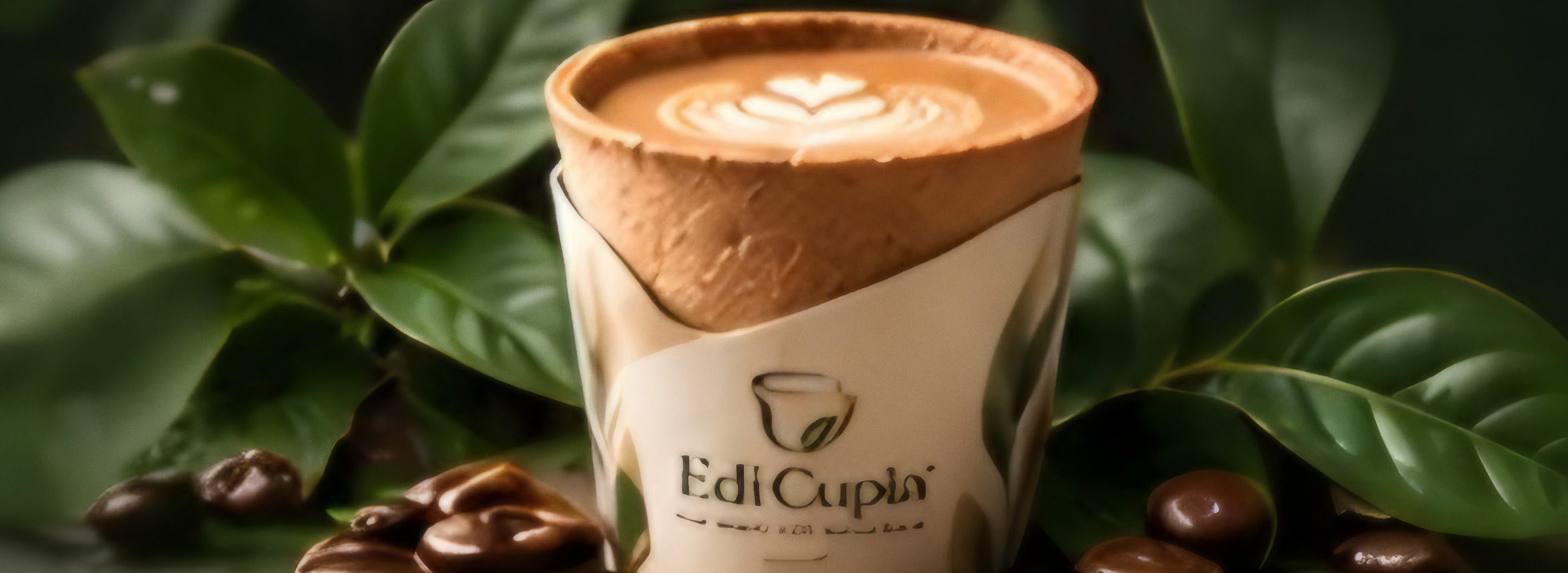
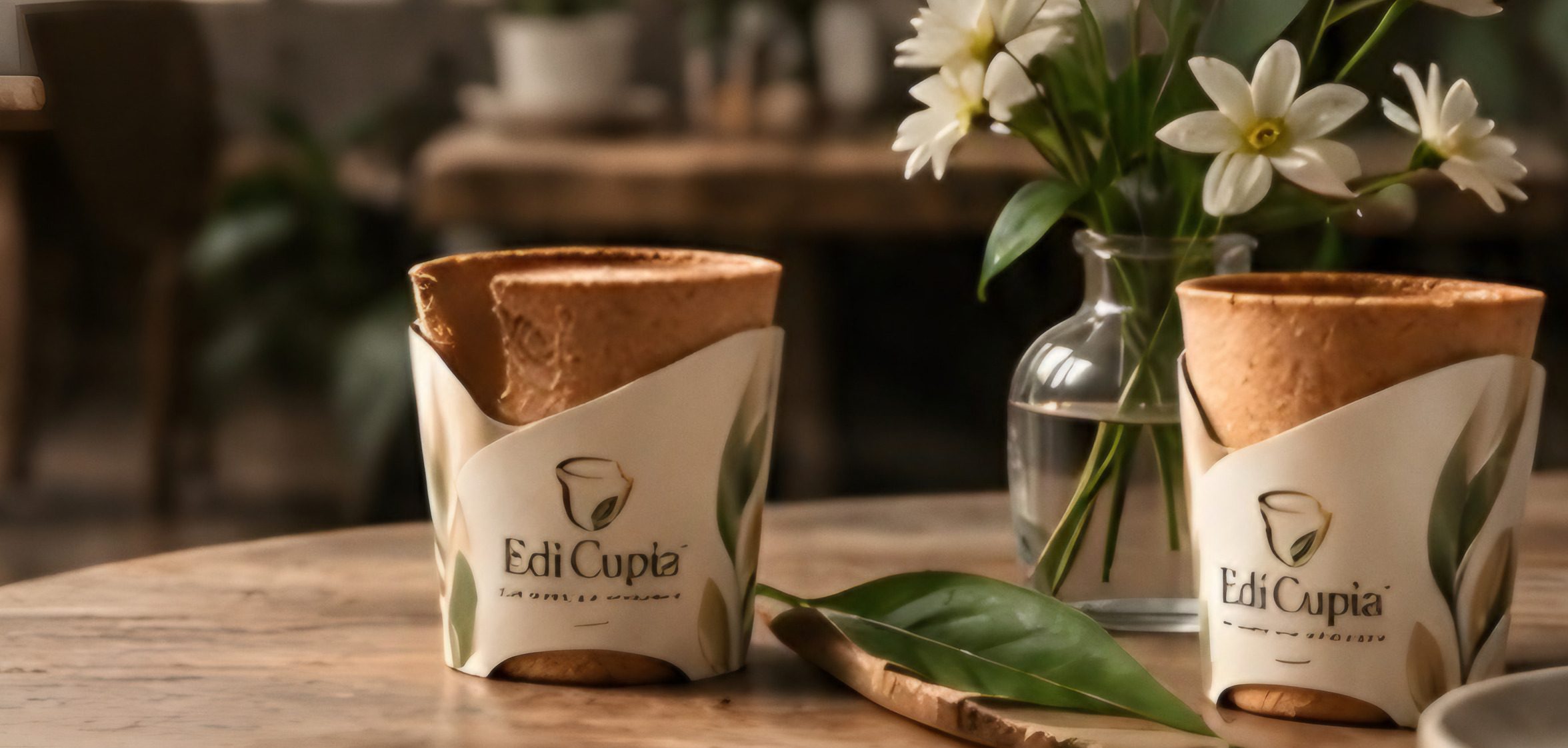
That is where our own small contribution fits. An Edi Cupia cup does not replace any of these traditions, and would not want to. It simply offers coffee drunk anywhere a closing gesture of its own: when the drink is finished, the cup becomes the final bite. Sip, bite, remember — a very young ritual, learning from some very old ones.