Hospitality 3 min read
Hospitality Lives in the Details
Guests rarely remember the specifications. They remember the warm cup, the name remembered, the small surprise. On the craft of details — and the final one.

Ask someone about a stay or a meal they still talk about, and they rarely quote the specifications. Nobody describes the square footage of a room or the thread count of the sheets. They tell you about a detail: the glass of water that arrived before they asked, the note left on a breakfast tray, the barista who remembered their order after a single visit.
Hospitality, at its best, is the art of those details. And like any art, it has a grammar.
The grammar of a welcome
Every good gesture in hospitality says the same thing in a different way: we thought about you before you arrived. The chair pulled out, the coat taken, the coffee brought with the spoon already resting on the saucer. None of these is essential. All of them are meaningful.
What makes them work is that they anticipate. A detail that arrives after the guest has had to ask is service. A detail that arrives before the guest thought to ask is hospitality.
The details that matter most are the ones nobody asked for.
What guests actually feel
It helps to think about details the way a guest experiences them — not as a checklist, but through the senses and through time.
Touch. The weight of a cup in the hand, the texture of a napkin, the warmth of a plate. Guests notice with their fingers long before they form an opinion.
Timing. The refill offered before the cup is empty; the bill that appears the moment it is wanted, and not a minute before.
Surprise. Something small that was not on the menu. Surprise is the only detail that cannot be demanded, which is why it is remembered.
Endings. The goodbye, the last taste, the door held open. The final impression often decides how everything before it is filed away.
Where details go missing
There are moments in hospitality where details tend to disappear. The takeaway coffee at the counter. The break between conference sessions. The reception where hundreds of drinks leave the bar in the same half hour.
These moments are handled at scale, and scale has a way of stripping the care out of things. The drink is fine. The cup is anonymous. Nothing is wrong, and nothing is memorable.
An ending worth serving
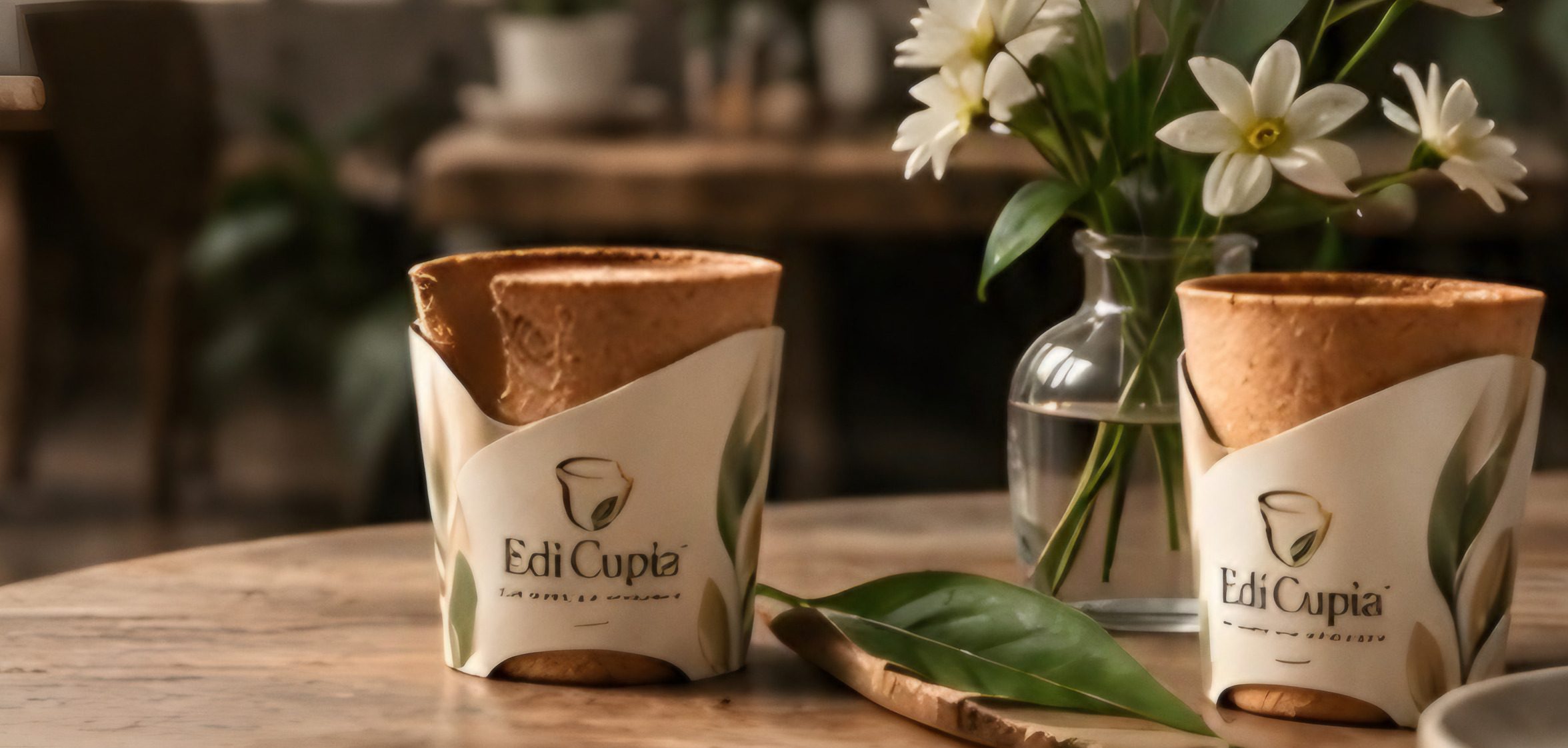
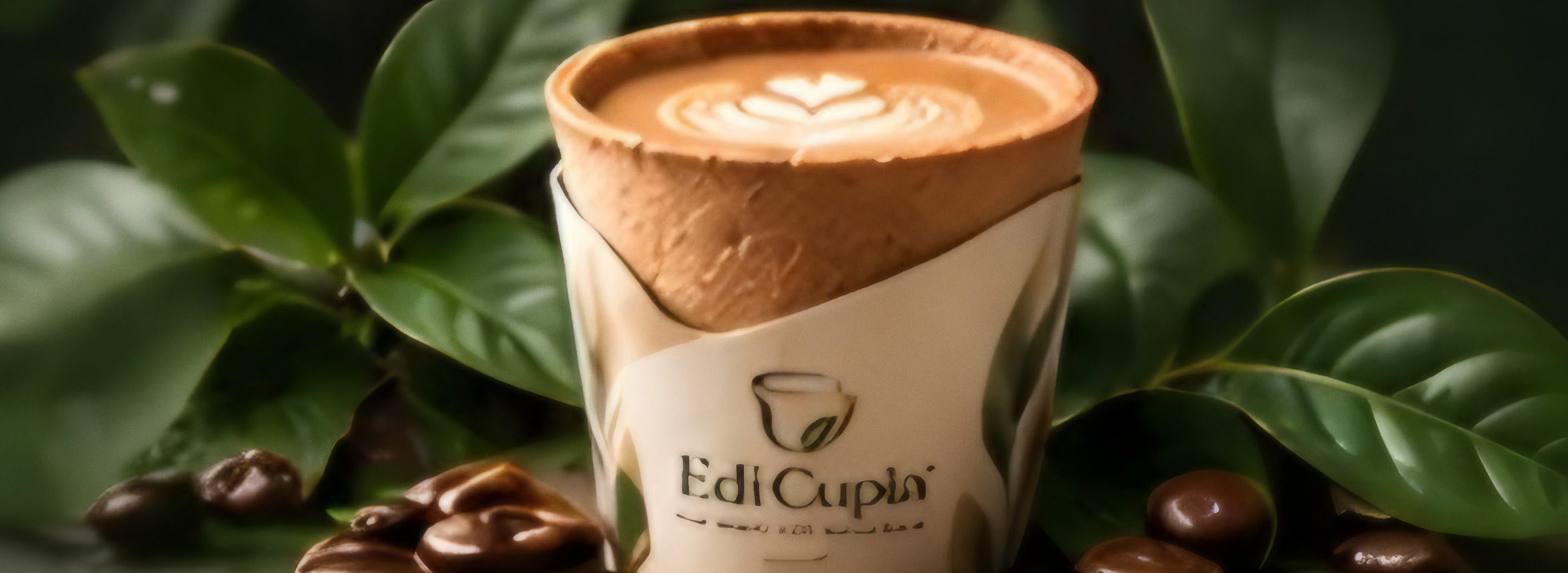
An edible cup brings a detail back into exactly those moments. The drink is served as usual, with all the care your team already puts into it. The surprise comes at the end, when the guest realises that the cup is part of the experience and becomes the final bite.
It is a small thing, and it is meant to be. But it touches almost everything on the list above: it is tactile, it is a genuine surprise, and it turns the least considered part of a drink — its ending — into the part guests talk about.
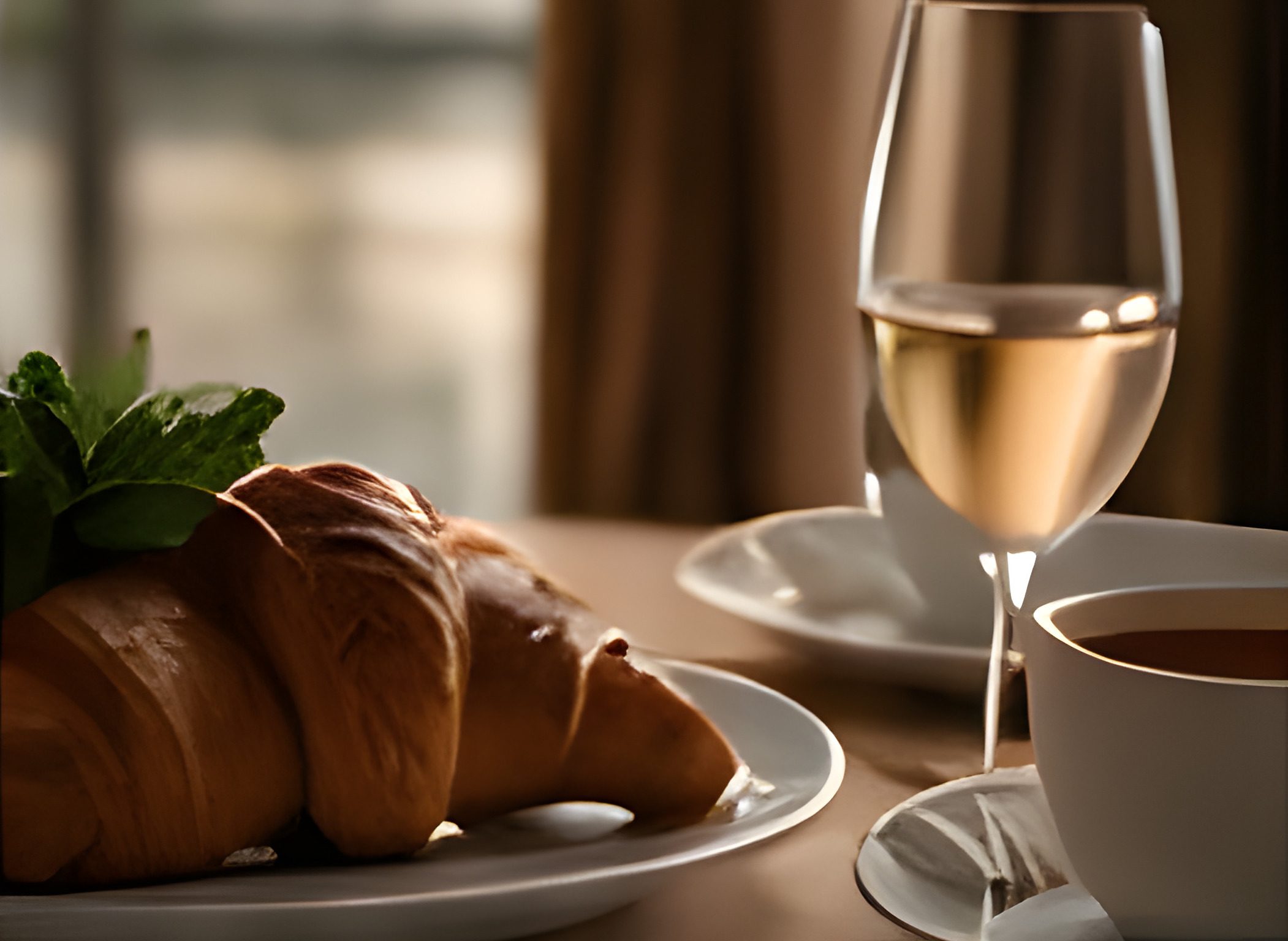
Whether it is a café counter, a hotel breakfast, a restaurant’s coffee service, a wedding or a corporate break, the ending is the same: a better ending to every drink.
Details that carry your name
For hosts who want to go further, the cup itself can become part of the welcome. Through our custom branding service, the sleeve can carry your own design: a hotel’s colours, a restaurant’s mark, an event edition, a seasonal campaign or a private label.
It is the same principle as a monogrammed napkin or a handwritten place card — the object quietly tells the guest where they are, and that someone planned for them.
Remembered, not just served
The finest compliment in hospitality is not that was good. It is being remembered, and being recommended, long after the visit is over.
Designing for detail is designing for memory. And of all the details a guest might carry home, the last one — how the drink ended — may be the one they describe first.