Brand Stories 3 min read
Developed in Canada, Crafted in Bangladesh
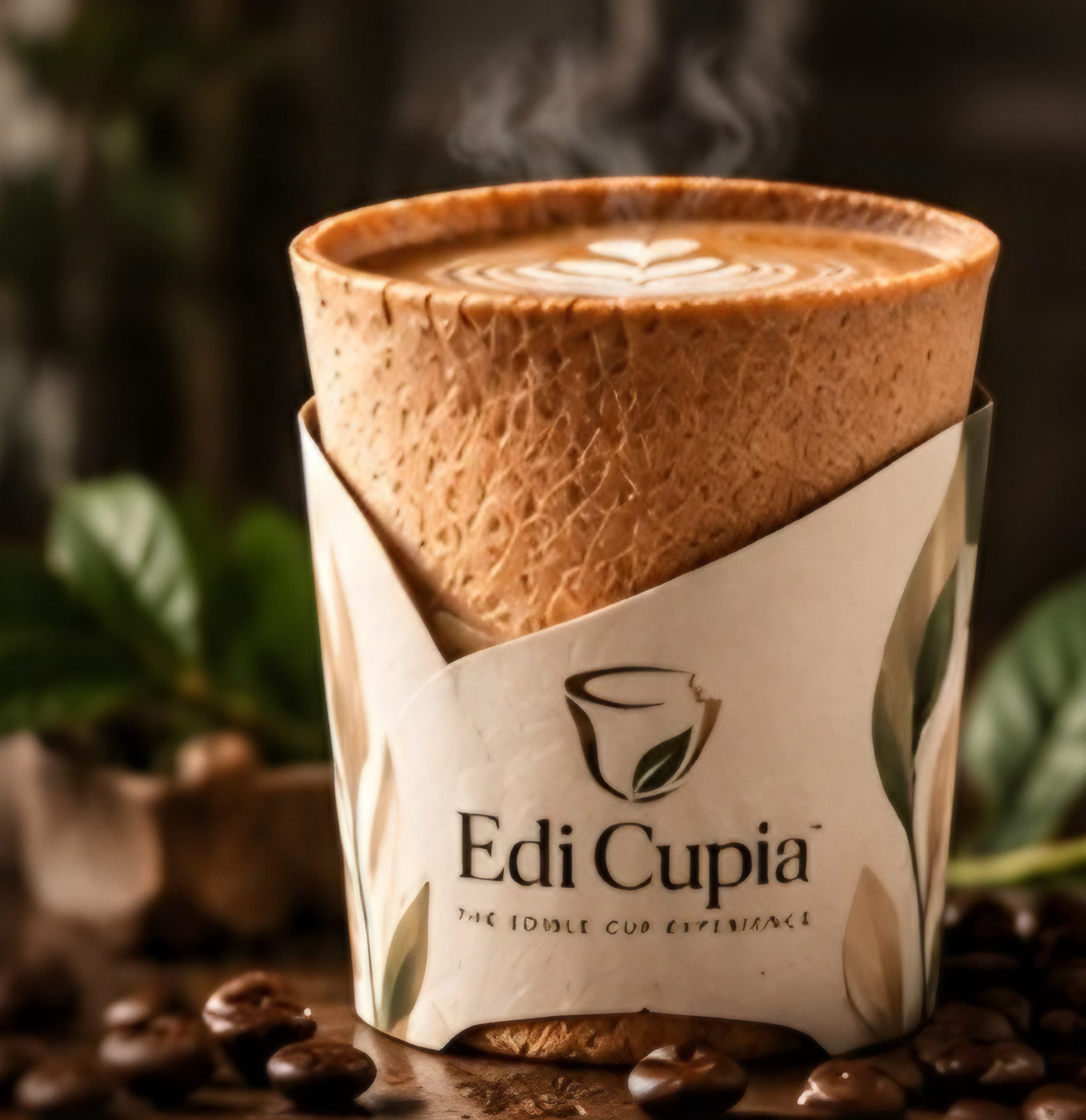
Edi Cupia began as a Canadian idea and takes shape in Bangladesh, where our edible cups are crafted with care. Two places, one standard, made for the world.

Every product carries a small map inside it. Ours has two points on it. The first is Canada, where the Edi Cupia concept and brand were developed. The second is Bangladesh, where our edible cups are crafted with care.
We like to say it in one breath — developed in Canada, crafted in Bangladesh, made for the world — because the story only makes sense when both places are in it.
A Canadian idea
Edi Cupia is a brand of Umama’s Eco World Inc., a Canadian company. The idea starts from a question that anyone who drinks coffee on the move has half-asked at some point: what if the cup could be part of the experience, instead of the part we leave behind?
Canada shaped the brand in ways you can see. It is why our packaging speaks English and French with equal confidence, as a country with two official languages should. It is in the landscapes that find their way into our imagery — mountains, evergreens, still water — and in a particular kind of warmth: the hospitality of a hot drink offered on a cold day.
There is also something quietly Canadian in the way the brand prefers to speak: warmly, in two languages, without raising its voice. We like to think the cup behaves the same way. It does not need to announce itself; it simply finishes the moment well.
Most of all, Canada shaped the ambition. The idea was never meant to stay local. It was designed from the start to travel.
Crafted with care in Bangladesh
Our cups are made in Bangladesh, and every tube says so in two languages: Product of Bangladesh / Produit du Bangladesh. We do not print that line as a legal footnote. We print it with pride.
Bangladesh brings to the story a deep culture of food and hospitality. It is a country where offering tea to a guest is second nature, and where the arrival of winter is celebrated with pitha, the traditional cakes that bring families to the same table. A culture that takes the sharing of food this seriously is a natural home for a cup designed to be shared, sipped and finally eaten.
And it is home to the people who craft our cups. Their care is the part of the product you can taste.
Different places. One standard. One purpose.
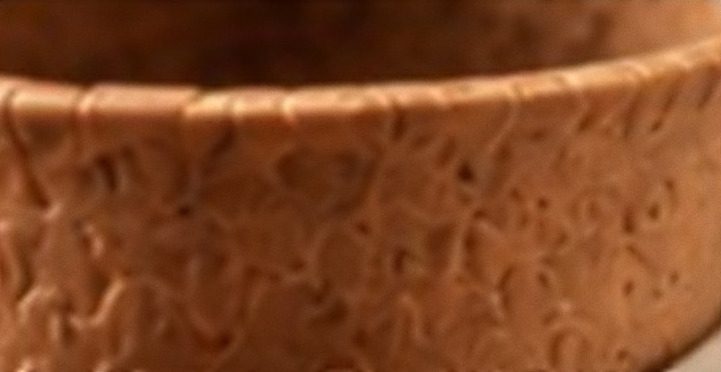
One standard, both ends of the journey
What does one standard mean in practice? Simply that the cup a guest receives should be as thoughtfully made as the idea behind it. The concept, the design and the promise are developed in Canada; the craft happens in Bangladesh; and both ends of the journey answer to the same three promises printed on every tube: great taste, natural ingredients, a more meaningful tomorrow.
It also means being clear about where things come from. We think people have a right to know where the things they eat are made, so we tell them plainly, on the pack and here.
Made for the world
Between the two points on our map is everywhere else: the cafés, hotels, restaurants and events where a drink is poured into an Edi Cupia cup and finished with a bite. That is the third part of the sentence, and in many ways the most important one.
An idea developed in one country and crafted in another is, by nature, an international idea. It belongs to anyone who has ever wished that a good moment could end a little better.
Why origin matters
It would be easy to tell a simpler story, with one flag and no complications. But the truth is more interesting, and it is also more generous. Two places, two cultures of hospitality, and one small object carrying both of them across the world.
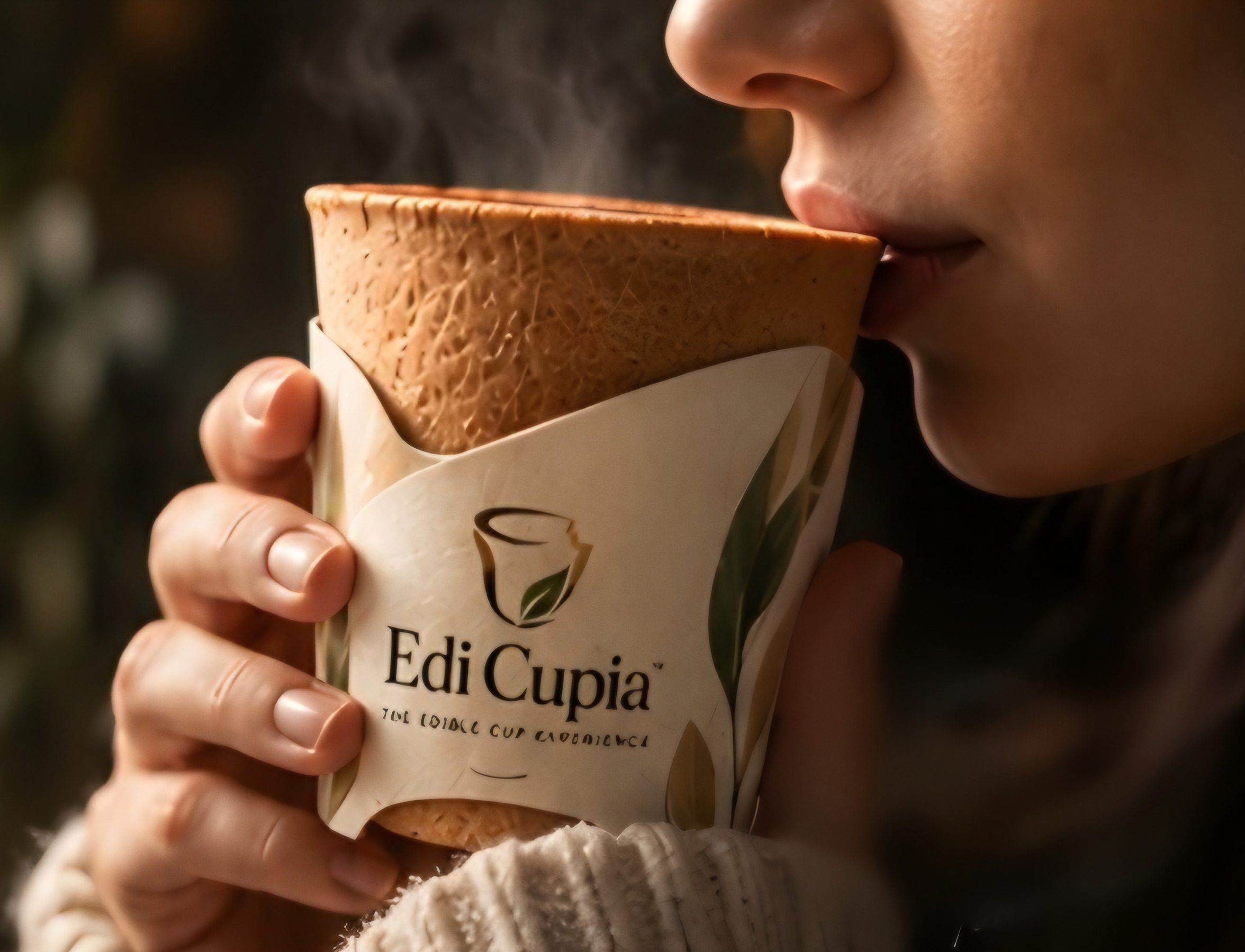
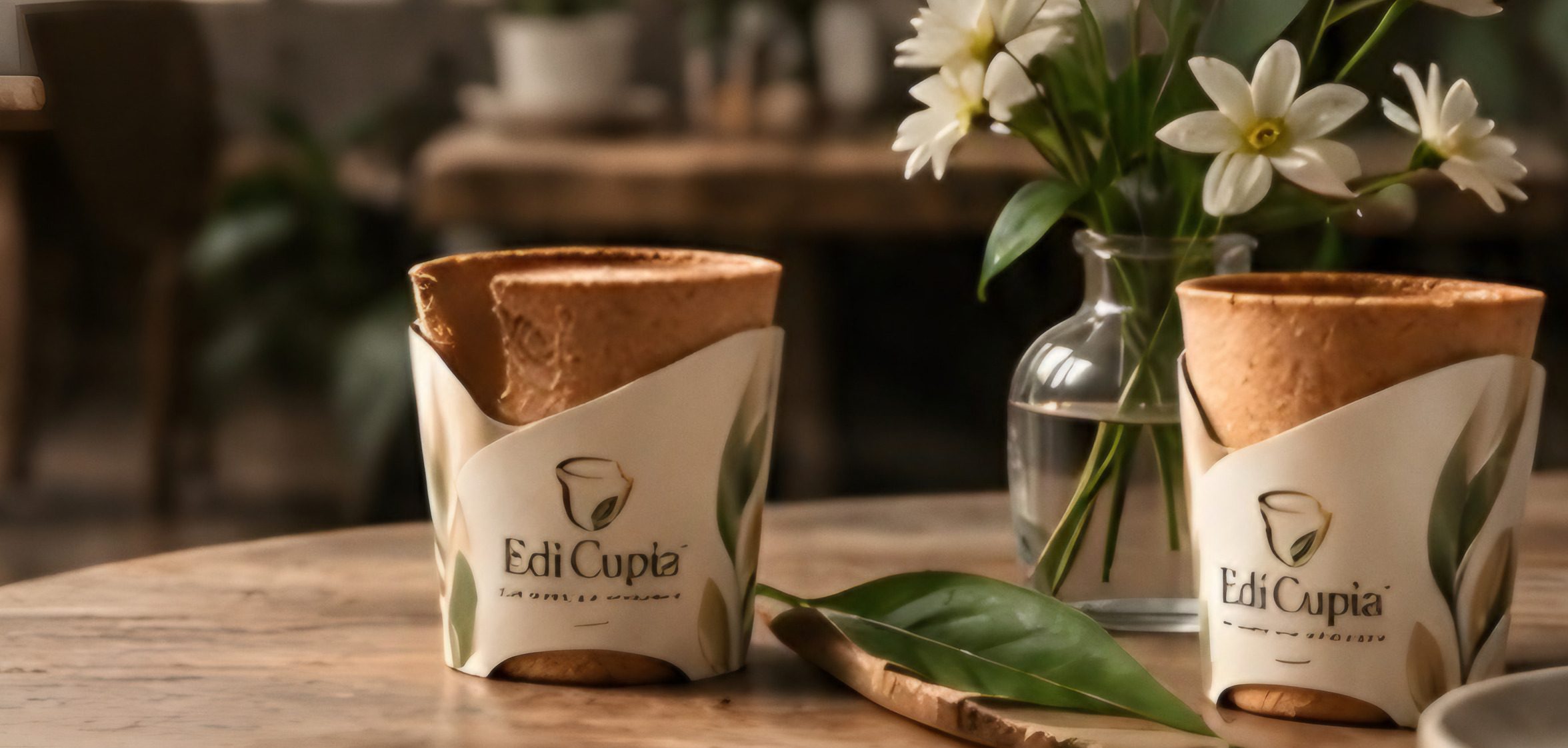
So the next time you hold an Edi Cupia cup, you are holding a Canadian question and a Bangladeshi answer — and, we hope, a better ending to your drink.